
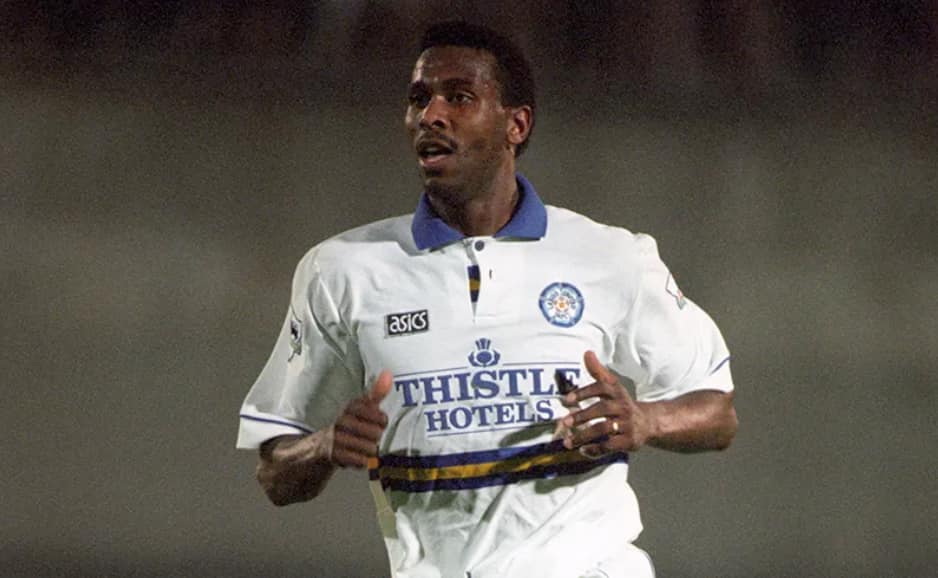
The Chief: A Symbol of Resilience and Unity
Lucas Radebe is a cornerstone of South African sporting history, a defender whose career was defined by courage, loyalty, and a remarkable capacity for leadership. Rising from the violent townships of apartheid-era Soweto to captaining Leeds United in the UEFA Champions League, Radebe’s journey is one of triumph over systemic and physical adversity. Known globally as “The Chief,” he became a unifying figure for a “Rainbow Nation” in transition and earned the ultimate accolade from Nelson Mandela, who famously called Radebe his “hero.”
We archive Radebe not just as an elite athlete, but as a moral compass whose legacy bridges the gap between the struggle for freedom and the global pursuit of excellence.
Early Life & Formation: Survival in Soweto
Radebe’s youth was spent navigating the volatile landscape of 1970s and 80s South Africa. One of eleven children, he was eventually sent to the Bophuthatswana “homeland” by his parents to escape the intensifying violence of the township.
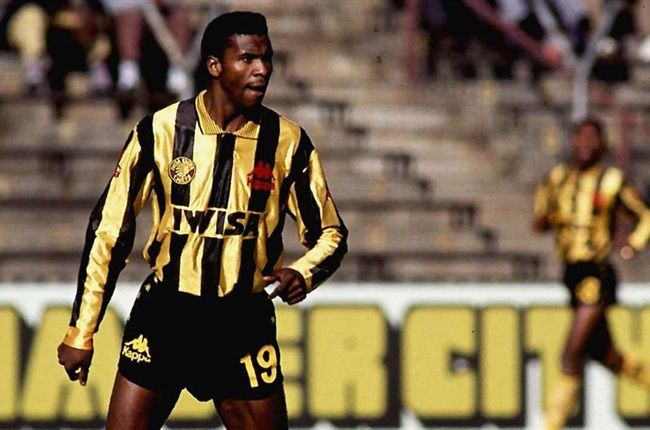
In 1991, while playing for Kaizer Chiefs, Radebe was shot in the back while shopping for his mother, an incident that nearly ended his career before his move to Europe. The bullet miraculously missed his vital organs, exiting through his thigh. This brush with mortality did not break his spirit; instead, it forged the “flamboyant but fearless” defensive style that would later captivate the English Premier League.
The Leeds Era: “The Chief” of Elland Road
In 1994, Radebe moved to Leeds United, a transfer initially intended to help his teammate Philemon Masinga settle. While his start was hindered by injury and cultural adjustment, he eventually emerged as the heart of the club.
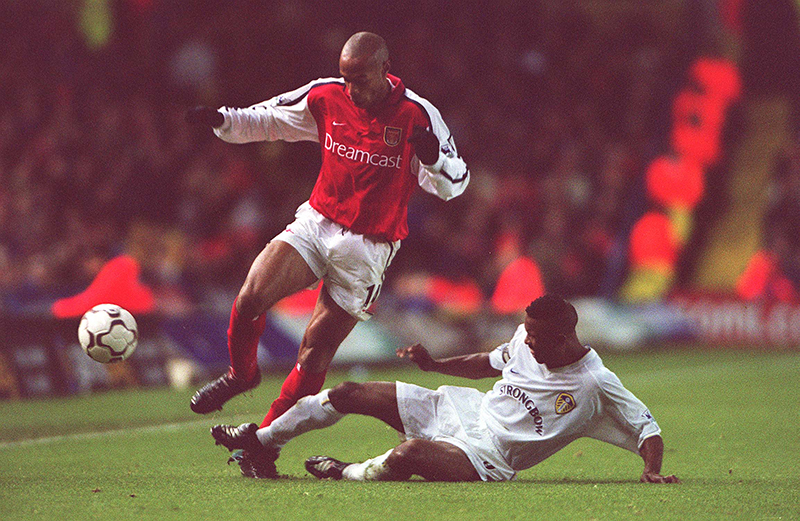
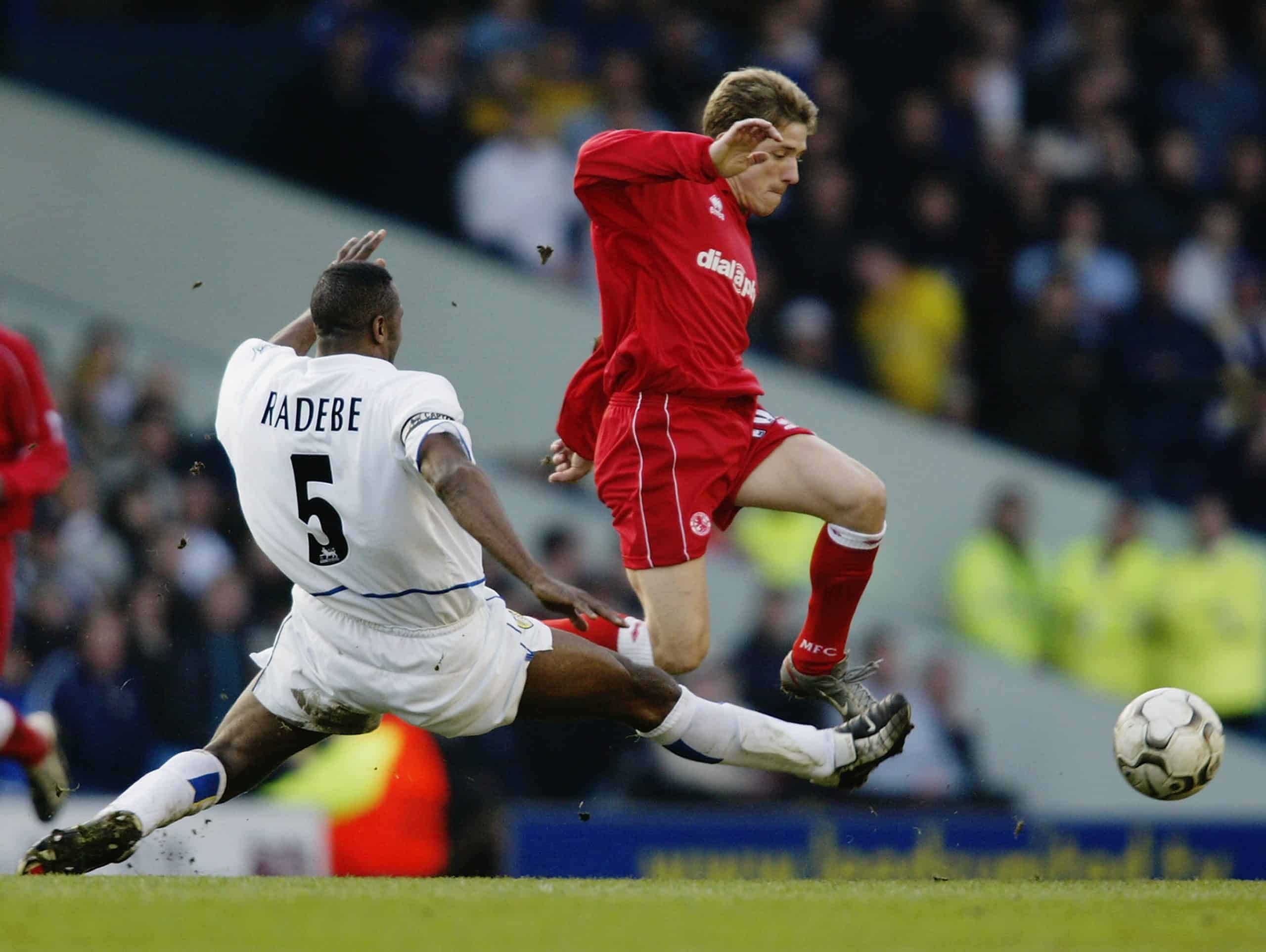
Under the management of George Graham and later David O’Leary, Radebe was appointed captain in 1998. His era at Leeds was defined by:
- The Champions League Run: Leading a young, vibrant side to the semi-finals of Europe’s elite competition in 2001.
- Radical Loyalty: Famously turning down offers from Manchester United and AC Milan at the height of his powers, stating his heart belonged to the “White Rose” of Yorkshire.
- The Keeper of the Gate: His technical ability to read the game was matched by an acrobatic, last-ditch tackling style that made him a fan favourite.
Bafana Bafana: Captaining a New Republic
Radebe’s international career mirrored the birth of modern South Africa. He was a vital member of the “Class of ’96” that won the African Cup of Nations on home soil, a moment of profound national reconciliation.
As the long-standing captain of the national team, Bafana Bafana, he led the country through its first two FIFA World Cup appearances in 1998 and 2002. For a nation searching for its new identity, Radebe provided a steady, dignified image of South African potential on the world stage.
Cultural & Historical Significance
Radebe’s impact transcends the 262 appearances he made for Leeds or his 70 caps for South Africa. He occupies a unique space in the cultural archive:
- The “Mandela’s Hero” Narrative: His meeting with Nelson Mandela in Leeds remains a landmark moment, symbolising the mutual respect between the political and sporting architects of the new South Africa.
- Anti-Racism Pioneer: Awarded the FIFA Fair Play Award in 2000, he was a leading voice in the “Kick It Out” campaign long before social justice in sport became mainstream.
- Diaspora Bridge: He remains a bridge between the UK and South Africa, proving that an African athlete could not only compete but lead at the highest level of European football without losing their cultural soul.
Legacy
Lucas Radebe’s story is a masterclass in moral authority.
He did not just play football; he stewarded the hopes of a city in England and a nation in Africa simultaneously. His legacy is found in the schools he supports through his foundation, the anti-racism initiatives he continues to champion, and the “Chief” nickname that remains a title of high office in the hearts of football fans worldwide.
“This is my hero.” — Nelson Mandela
National Inheritance



| Amendment? |
Our aim is to provide a positive and inspiring account which is why we use multiple sources to ensure the truth is portrayed. If you feel it’s inaccurate or have additional information such as parental heritage and more, Contact Us