
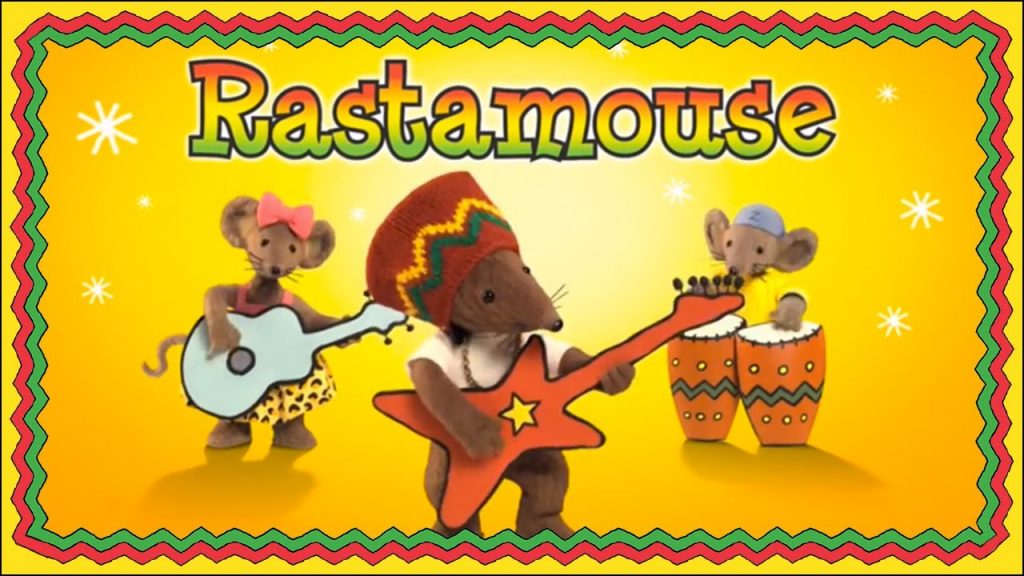
A vibrant children’s series that blended music, morality, and Caribbean cultural expression, introducing young audiences to storytelling rooted in rhythm, language, and community values.
Rastamouse stands as a distinctive moment in British television. An example of how early years programming can reflect cultural diversity with intention, creativity, and authenticity.
Origins in Children’s Media: Culture as Foundation
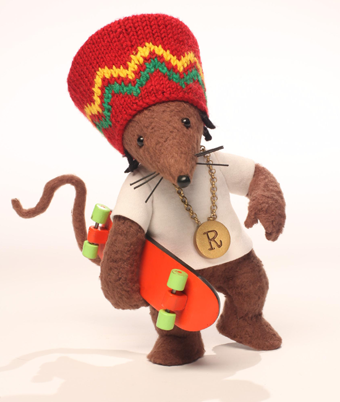
Developed for a young audience, Rastamouse emerged within a landscape where culturally diverse storytelling in children’s television remained limited. Set in the fictional world of Mouseland, the series followed a reggae-loving mouse detective and his crew as they solved everyday problems through collaboration, reasoning, and music.
Voiced by Reggie Yates, the central character brought warmth and relatability, grounding the show in a distinctly British-Caribbean cultural tone. The series positioned culture not as an addition, but as a foundation embedded within language, music, and narrative structure.
Representation and Cultural Identity
At a time when few children’s programmes centred Black cultural expression, Rastamouse offered a different approach. Caribbean influences were woven throughout the show from reggae rhythms to patois-inspired dialogue creating a world where cultural identity was visible, normalised, and celebrated.
Rather than simplifying or diluting these elements, the series trusted its audience to engage with them. This made representation feel natural rather than instructional, allowing young viewers to experience diversity as part of everyday storytelling.
Music, Language, and Moral Frameworks
Music played a central role in Rastamouse, functioning as both narrative device and educational tool. Each episode used rhythm and song to guide resolution, reinforcing messages around fairness, responsibility, and making positive choices.
The show’s recurring philosophy “making a bad ting good” captured its moral core. Conflict was approached through understanding and restoration rather than punishment, reflecting values rooted in community and empathy.
Language also carried cultural weight. The use of Caribbean linguistic influences introduced new sounds and expressions to young audiences, expanding their engagement with communication and identity.
Humour, Learning, and Cultural Expression
While designed for children, Rastamouse operated on multiple levels. Its humour, music, and storytelling created an engaging surface, while its cultural framework provided deeper meaning.
The series demonstrated that children’s television could educate without losing creativity, and represent culture without compromise. It offered a model where entertainment and cultural expression worked in harmony.
The Value of Early Representation
Rastamouse represents a form of cultural contribution grounded in formative influence:
- The importance of representation in early childhood development
- The role of music and storytelling in shaping values
- The power of normalising cultural diversity from a young age
It showed that identity and inclusion can be introduced early—not as complex theory, but as lived, everyday experience.
Cultural Significance
Since its release, Rastamouse has held a unique place within British media:
- One of the few UK children’s series centred on Caribbean-inspired culture
- A platform introducing diverse language and musical traditions to young audiences
- A contributor to conversations around representation in children’s broadcasting
- A cultural reference point for a generation exposed to inclusive storytelling early
Its legacy lies not only in its episodes, but in its intention—to create space for cultural visibility at the very beginning of the viewing journey.
At SoulTreasury, we recognise Rastamouse as part of the evolving landscape of British cultural storytelling—a series that demonstrated how representation, when embedded early, can shape understanding, identity, and belonging for generations to come.
National Inheritance





More Insights from Rastamouse


| Amendment? |
Our aim is to provide a positive and inspiring account which is why we use multiple sources to ensure the truth is portrayed. If you feel it’s inaccurate or have additional information such as parental heritage and more, Contact Us